Daily Progress Tracking in Construction: Formats, Mistakes & Best Practices
Daily progress tracking in construction is the systematic recording of site activities, labor hours, and material usage to ensure a project remains on schedule and within budget. By maintaining precise daily logs, project managers can identify bottlenecks in real-time, mitigate risks, and provide stakeholders with transparent, data-driven updates.
Why Daily Tracking is the Backbone of Project Success
In the high-stakes world of construction, information is currency. Without a granular view of what happens on-site every 24 hours, “minor” delays can snowball into massive budget overruns. Effective tracking transforms raw site data into actionable insights, protecting your margins and your reputation.
Standard Formats for Daily Progress Reports
Choosing the right format depends on your team’s technical maturity and project scale. Most industry leaders utilize one of the following:
| Format Type |
Best For |
Pros |
Cons |
| Paper Logs |
Small, solo-contractor jobs |
No tech required, easy to carry |
High risk of loss, hard to search/analyze |
| Digital Spreadsheets |
Mid-sized projects |
Familiar (Excel/Sheets), customizable |
Manual entry, version control issues |
| Cloud-Based Apps |
Scalable, multi-site projects |
Real-time sync, photo attachments, GPS |
Monthly subscription costs |
Key Elements Every Report Must Include:
-
Labor & Equipment: Who was on site and what machinery was active?
-
Material Deliveries: What arrived, and was it in good condition?
-
Weather Conditions: Did rain or extreme heat cause a work stoppage?
-
Safety Incidents: Any “near misses” or injuries recorded?
-
Photos/Videos: Visual proof of work completed (H264/JPEG formats).
Critical Mistakes to Avoid
- Delayed Entry: Waiting until the end of the week to fill out logs leads to “memory fade” and inaccurate data.
-
Vague Descriptions: Writing “worked on plumbing” is useless. Use specifics like “Installed 50ft of copper piping on the 3rd floor, West Wing.”
-
Ignoring the “Why”: Recording a delay without noting the cause prevents future optimization.
Best Practices for High-Performance Tracking
-
Standardize the Template: Ensure every site supervisor uses the same definitions and metrics.
-
Leverage Real-Time Sync: Data should move from the site to the office instantly to catch errors before they become expensive.
-
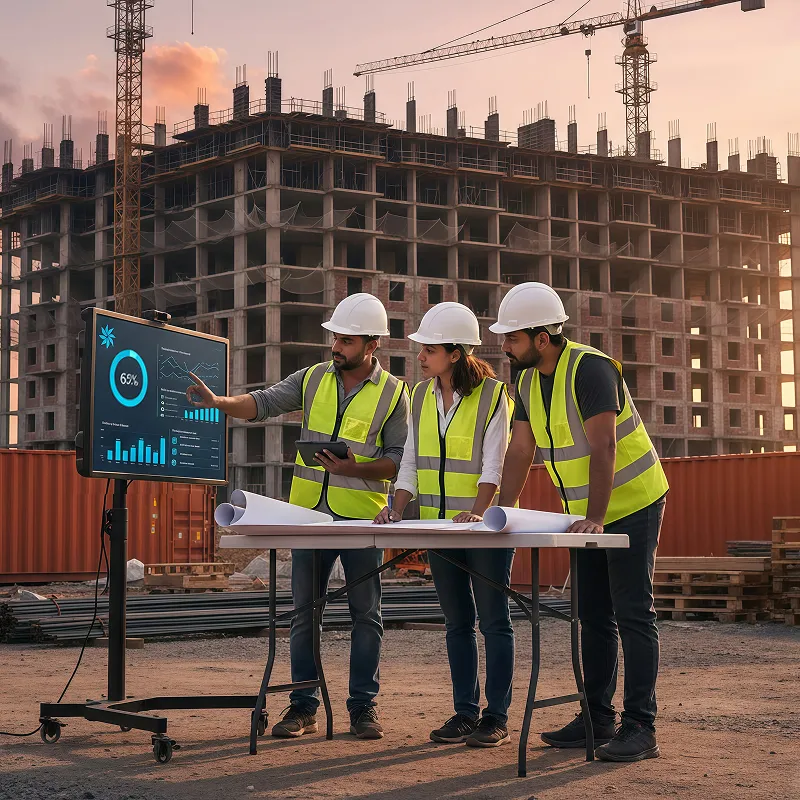
Integrate Visual Documentation: A single photo can often explain a site issue better than 500 words of text.
The “Aasaan” Edge: Bridging Construction & Digital Commerce
While construction happens on-site, the business of construction—selling services, managing vendor contracts, and providing client portals—happens online.
At Aasaan.co, our pocket construction manager allows construction firms to build high-performance digital storefronts and client dashboards without writing a single line of code. Just as a daily log brings order to a job site, Aasaan brings order to your digital operations.
-
Scalable Infrastructure: As your project portfolio grows, our platform scales with you.
-
Fast Deployment: Launch a professional portal to showcase project progress to stakeholders in days, not months.
Tag:
-
Construction Management
-
Digital Transformation
-
Operational Excellence

 Meta-Verified Business Integration Actionable project inbox with real-time alerts.
 Frictionless Stakeholder Collaboration Capture bills and GRNs directly to ERP.
 WhatsApp-Powered Sales CRM CRM chats with real-time sentiment analysis.
 WhatsApp-Powered Alerts & Reports Automated push notifications and daily reports.
 GPS - Live Tracking Real-time visibility of workforce and assets.
 Facial Scanning Secure, automated attendance via facial recognition.
 Labour Productivity Track workforce activity linked to payroll.
 Quote Comparison AI bots fetch and compare supplier rates.
 OCR - AI for Billing Auto-generate progress reports from site data.
 QR Based Asset Tracking Scan QR codes for instant asset history.
 Tally ERP Integration Seamlessly sync project data with Tally.
 Automated GST Compliance Automated GST compliance and reporting tools.