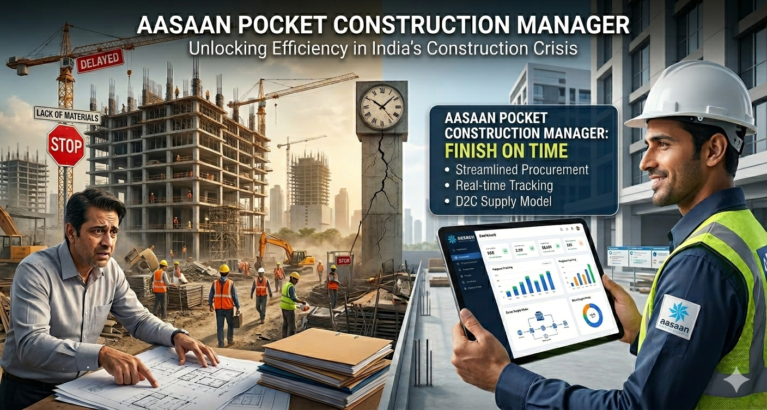
A construction project schedule is a comprehensive roadmap that outlines the timeline, sequence of tasks, and resource allocation required to complete a build from groundbreaking to handover. It serves as the project’s pulse, ensuring that labor, materials, and equipment are synchronized to prevent costly delays and budget overruns.
Why Your Construction Schedule is Your Most Valuable Asset
In the construction world, time is literally money. A well-structured schedule does more than just track dates; it manages risks. Without a clear timeline, “scope creep” can derail your margins, and resource conflicts can stall your site for weeks. By mastering the schedule, you move from reactive firefighting to proactive management.
How to Create a Construction Project Schedule in 7 Steps
To build a schedule that stands up to the realities of the field, follow this structured framework:
1. Define Project Scope and WBS
Break the entire project down into a Work Breakdown Structure (WBS). Start with major phases (Pre-construction, Foundation, Framing, Finishing) and sub-divide them into manageable tasks.
2. Sequence the Activities
Determine the relationship between tasks. Most construction tasks follow a “Finish-to-Start” relationship—for example, you cannot pour the concrete until the rebar is inspected.
3. Estimate Durations
Consult with subcontractors and site leads to assign realistic timeframes to each task. Factor in lead times for materials, which are often overlooked.
4. Assign Resources
Identify who is doing the work. This includes labor crews, specialized equipment (like cranes), and material deliveries.
5. Apply the Critical Path Method (CPM)
Identify the Critical Path: the longest sequence of tasks that must be completed on time for the project to finish. Any delay in these tasks will delay the entire project.
6. Develop the Visual Schedule
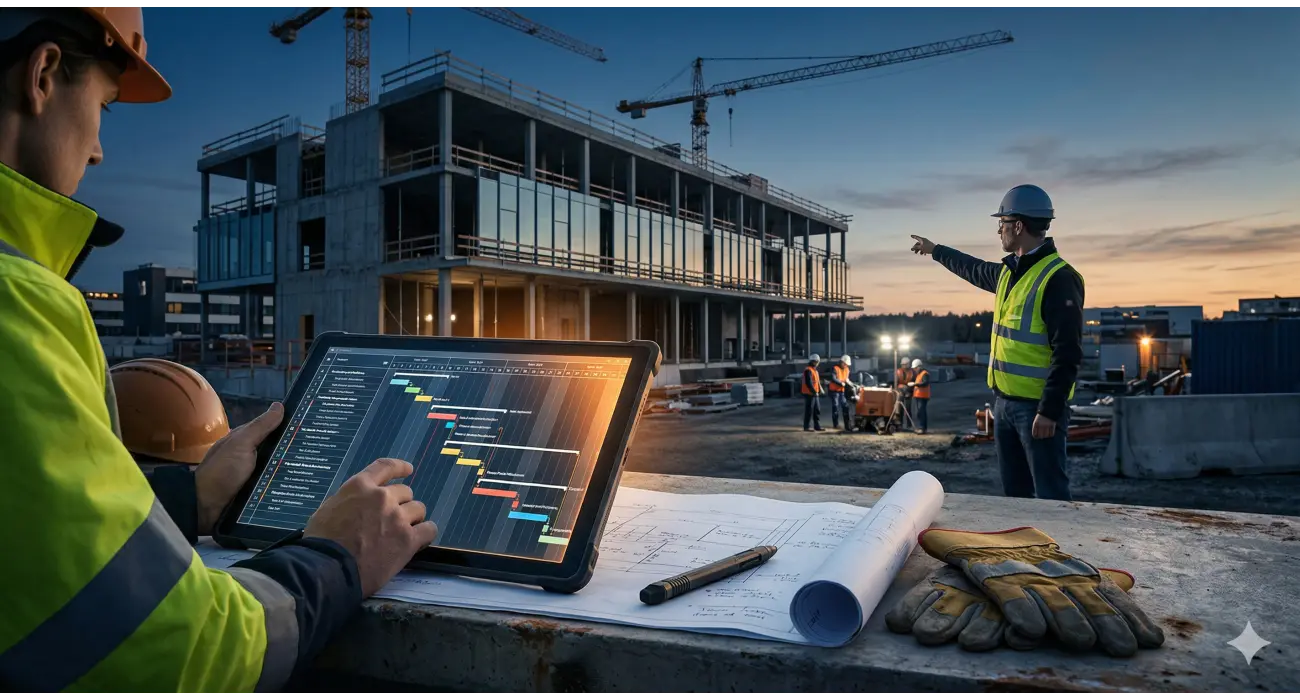
Use a Gantt chart to visualize the timeline. This allows stakeholders to see overlaps and dependencies at a glance.
7. Monitor and Update
A schedule is a living document. Review it weekly to account for weather delays, change orders, or supply chain shifts.
Essential Scheduling Components
Use this table as a checklist for your next project:
| Component |
Purpose |
Key Metric |
| Milestones |
Mark major progress points |
Approval/Sign-off Dates |
| Dependencies |
Link related tasks |
Critical Path |
| Lag Time |
Account for curing or drying |
Waiting periods |
| Buffer/Float |
Flexibility for non-critical tasks |
Extra days available |
The “Aasaan” Edge: Scaling constructions with Aasaan
While a construction schedule manages physical bricks and mortar, your business needs a digital infrastructure that is just as robust. At Aasaan.co, we understand that whether you are building a skyscraper or a D2C empire, speed and structure are everything.
Just as a construction project relies on a “headless” approach—where the design (the front end) is separate from the structural engineering (the back end)—Aasaan’s headless commerce platform allows you to build a high-performance storefront without touching a single line of code.
-
Rapid Deployment: Much like a pre-fab construction project, Aasaan allows you to launch complex retail workflows in days, not months.
-
Scalable Architecture: Our zero-code backend ensures that as your “business site” grows, your digital foundation stays rock solid.
Best Practices for High-Authority Scheduling
-
Involve Your Subcontractors: A schedule built in a vacuum will fail. Get buy-in from those doing the work.
-
Account for Lead Times: In today’s economy, “just in time” delivery is a risk. Schedule material orders weeks in advance of the start date.
-
Use Modern Software: Ditch the spreadsheets. Use dedicated project management tools that allow for real-time collaboration.
Tag:
-
Construction Management
-
Operations
-
Project Planning



 Meta-Verified Business Integration Actionable project inbox with real-time alerts.
 Frictionless Stakeholder Collaboration Capture bills and GRNs directly to ERP.
 WhatsApp-Powered Sales CRM CRM chats with real-time sentiment analysis.
 WhatsApp-Powered Alerts & Reports Automated push notifications and daily reports.
 GPS - Live Tracking Real-time visibility of workforce and assets.
 Facial Scanning Secure, automated attendance via facial recognition.
 Labour Productivity Track workforce activity linked to payroll.
 Quote Comparison AI bots fetch and compare supplier rates.
 OCR - AI for Billing Auto-generate progress reports from site data.
 QR Based Asset Tracking Scan QR codes for instant asset history.
 Tally ERP Integration Seamlessly sync project data with Tally.
 Automated GST Compliance Automated GST compliance and reporting tools.